
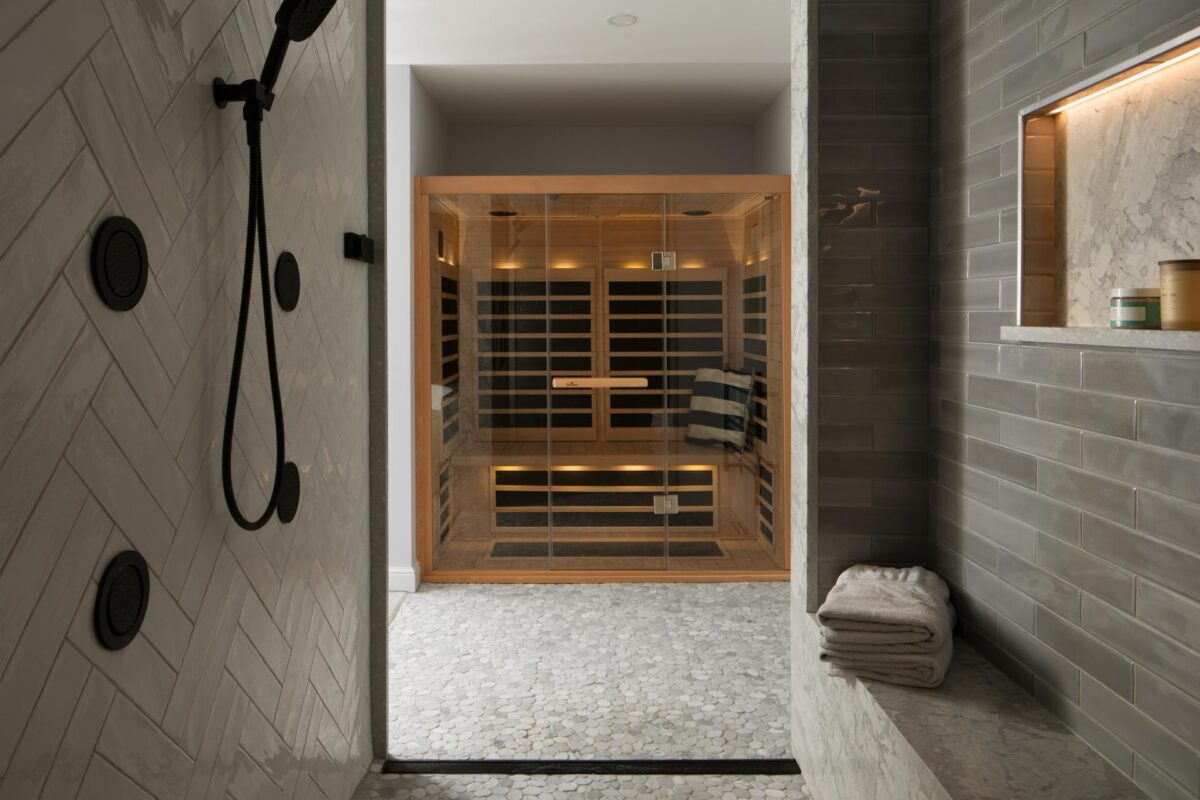
When homeowners think about remodeling a bathroom, lighting is often one of the last decisions they make. Tile, cabinetry, countertops, and plumbing fixtures usually take center stage, while lighting becomes an item to check off at the end.
Professional designers take the opposite approach.
Lighting is one of the most important elements of a well-designed bathroom because it influences how the space looks, functions, and feels every single day. The right lighting makes morning routines easier, highlights beautiful finishes, creates a relaxing atmosphere, and transforms an ordinary bathroom into a luxurious retreat.
The secret is not choosing one perfect light fixture. It is layering different types of lighting so they work together seamlessly.
What Is Layered Lighting?
Layered lighting is exactly what it sounds like. Instead of relying on a single ceiling fixture to illuminate the entire room, designers combine multiple sources of light that each serve a different purpose.
The three essential layers include:
- Ambient lighting for overall illumination
- Task lighting for everyday activities
- Accent lighting to highlight architectural details and create atmosphere
When these layers work together, the bathroom feels brighter, more comfortable, and much more inviting. Rather than simply lighting the room, the lighting enhances the entire design.
Start With Ambient Lighting
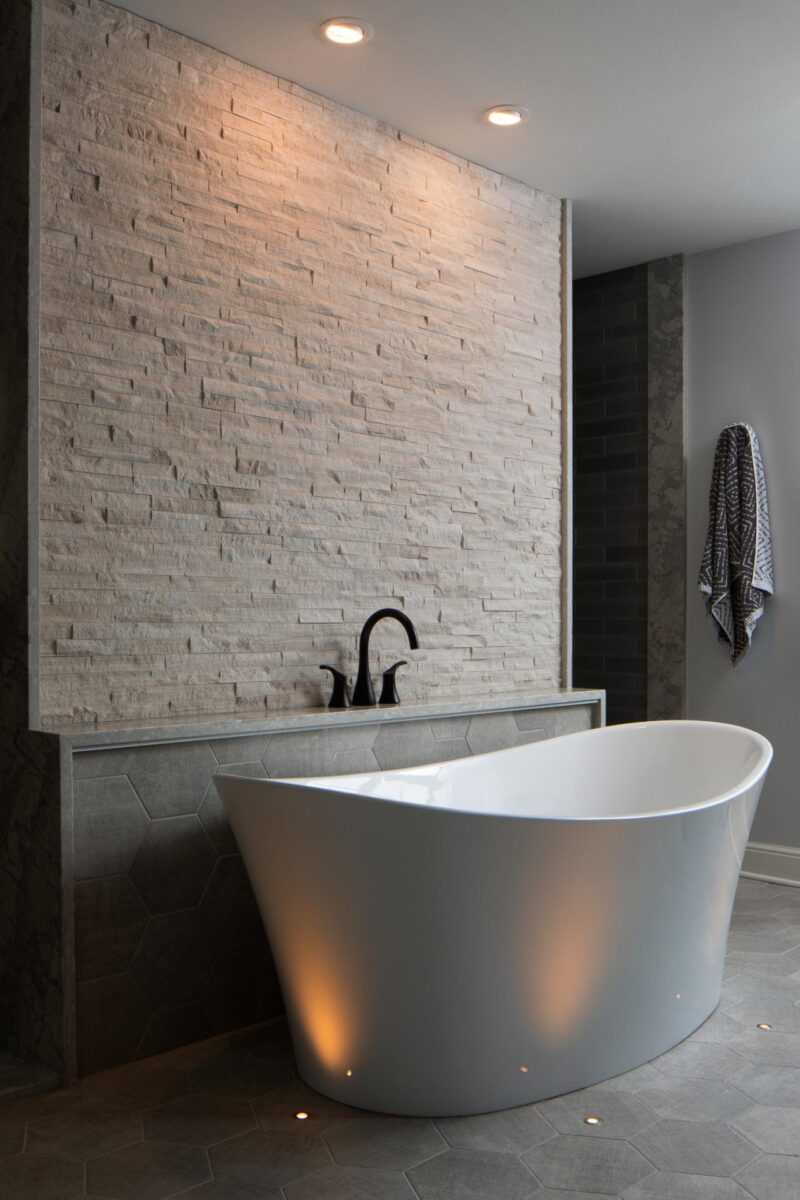
Ambient lighting provides the foundation for the entire room. It creates general illumination that allows you to move comfortably throughout the space while setting the overall mood.
Common sources of ambient lighting include:
- Recessed ceiling lights
- Flush or semi-flush ceiling fixtures
- Natural daylight from windows or skylights
Many homeowners assume that adding more recessed lights automatically creates better lighting. In reality, placement matters far more than quantity.
Professional designers position lighting intentionally to complement the layout of the room, highlight materials, and reduce harsh shadows instead of creating a grid of evenly spaced fixtures.
Task Lighting Makes Daily Routines Easier
Task lighting is the layer you’ll appreciate every morning.
Activities like shaving, applying makeup, styling hair, or inserting contact lenses all require bright, even illumination. A single overhead fixture often casts shadows across the face, making these tasks much more difficult.
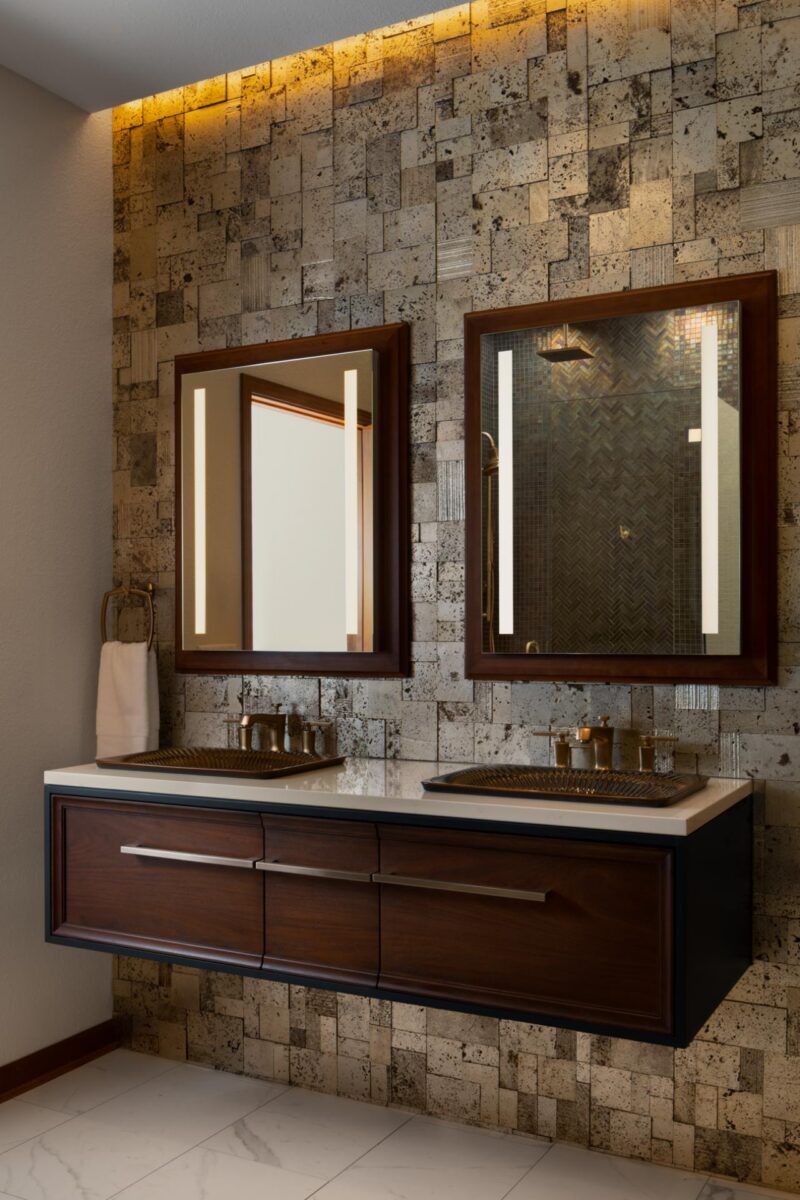
Instead, designers typically install lighting at eye level around the vanity.
Popular options include:
- Wall sconces on both sides of the mirror
- Vertical integrated lighting
- Backlit mirrors
- Decorative fixtures positioned to evenly illuminate the face
This approach provides balanced lighting from both sides instead of directly overhead, creating a much more flattering and functional experience.
Accent Lighting Creates the Luxury Feeling
Once ambient and task lighting are in place, designers often introduce accent lighting to add depth and personality.
This is the layer that gives a bathroom its custom feel.
Accent lighting might include:
- LED lighting beneath floating vanities
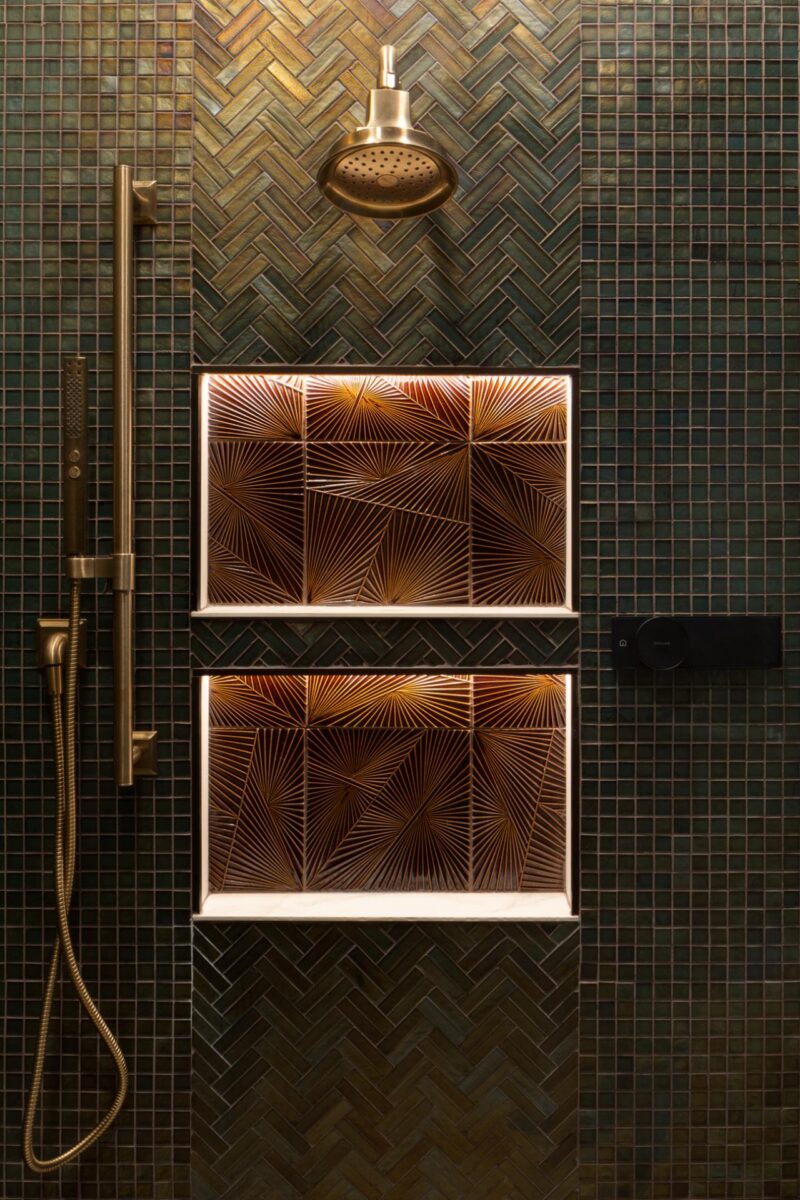
- Illuminated shower niches
- Toe-kick lighting
- Lighting that highlights textured tile or stone walls
These details are subtle, but they dramatically change how a space feels.
Instead of simply being bright, the bathroom gains warmth, dimension, and visual interest. At night, accent lighting can also provide enough illumination for navigation without needing to switch on brighter overhead fixtures.
Think About Lighting Throughout the Day
One of the biggest differences between professionally designed bathrooms and builder-grade bathrooms is flexibility.
A bathroom serves many purposes throughout the day.
In the morning, you may want bright lighting that helps you prepare for the day.
In the evening, that same brightness can feel harsh when you’re trying to relax in a warm bath.
This is why designers often recommend dimmers. Adjustable lighting allows homeowners to change both the brightness and atmosphere depending on the time of day or activity.
Choose the Right Color Temperature
Brightness is only part of the equation. The color of the light also affects how the bathroom feels.
Lighting that is too cool can make a bathroom feel clinical, while lighting that is overly warm may make grooming more difficult.
For most residential bathrooms, professional designers recommend warm white lighting around 2700K to 3000K. This range provides accurate color while maintaining a comfortable, welcoming atmosphere. Consistency throughout the room also helps create a cohesive look.
Lighting Should Complement the Design
Lighting should never feel like an afterthought.
Instead, it should work alongside every other design element in the room.
Beautiful tile deserves lighting that highlights its texture.
Natural stone becomes more dramatic when illuminated thoughtfully.
Floating vanities appear lighter and more contemporary with subtle lighting underneath.
Even mirrors, cabinetry, and hardware take on a different character when the lighting is carefully planned.
The best lighting design doesn’t compete with these features. It enhances them.
Plan Lighting Early
One of the most common remodeling mistakes is waiting until the end of the project to think about lighting.
By planning lighting early, homeowners have far more flexibility to position electrical wiring exactly where it is needed, integrate lighting into cabinetry or niches, and coordinate fixtures with the overall design.
This allows every layer of lighting to work together instead of feeling pieced together after construction begins.
A Bathroom That Looks Better and Lives Better
At Wade Design & Construction, every remodeling project begins by understanding how you live. That philosophy extends to lighting just as much as cabinetry, tile selection, and layout.
A beautifully designed bathroom should support your daily routine while also creating moments of comfort and relaxation. Thoughtfully layered lighting helps accomplish both.
By combining ambient, task, and accent lighting into one cohesive plan, your bathroom becomes more functional, more inviting, and more reflective of the way you want to live.
Great lighting doesn’t simply help you see your bathroom. It helps you experience it in an entirely different way.