
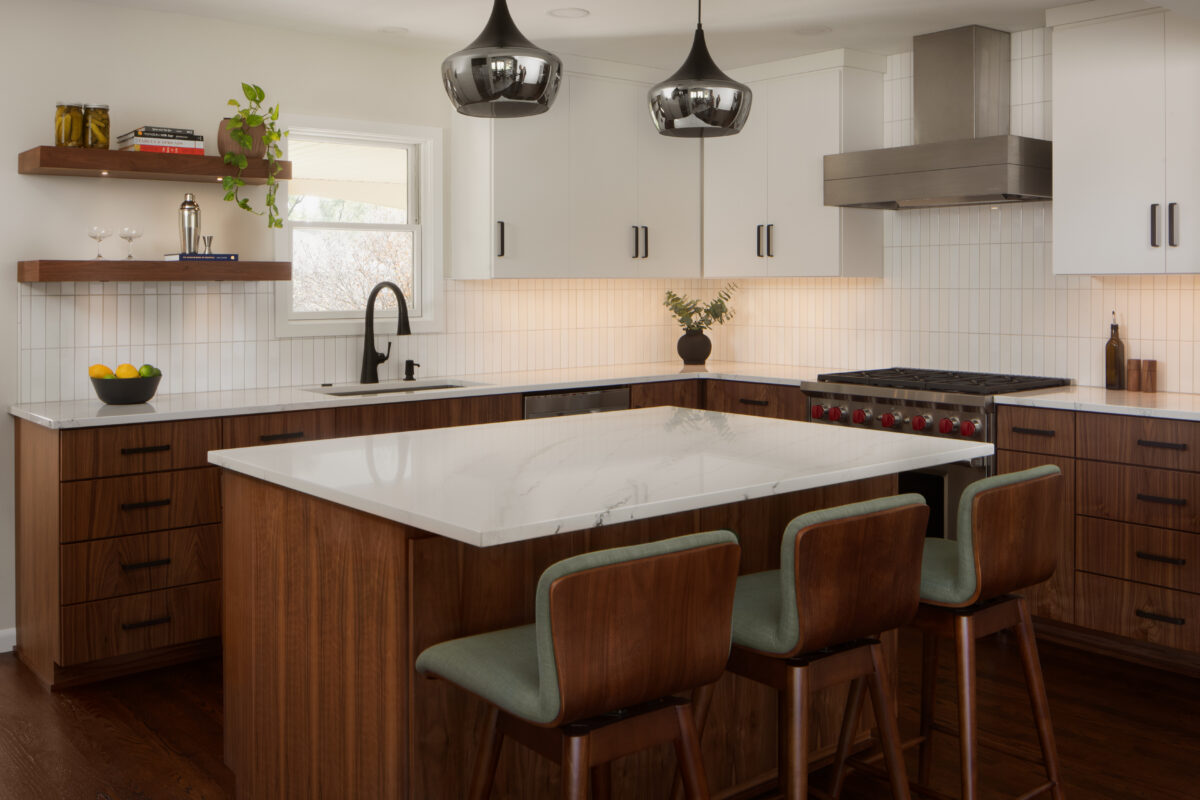
A well-designed home should feel like it fits your life; not just today, but over time.
As routines shift, families grow, and priorities change, the way a home functions becomes just as important as how it looks. The most successful remodels aren’t about starting over. They’re about adapting thoughtfully so your home continues to support you.
Here are a few of the ways we approach designing homes that grow with our clients.
1. Start with How You Actually Live
Before any plans are drawn, we focus on understanding daily routines.
Where does the day feel easy? Where does it feel frustrating?
Often, the biggest opportunities aren’t about adding space, they’re about improving how existing spaces function. A better kitchen layout, more intentional storage, or improved flow between rooms can make a noticeable difference in everyday life.
2. Prioritize Flexibility
Life rarely stays the same for long.
Spaces that can serve more than one purpose tend to hold their value over time. A home office that can become a guest room. A dining area that supports both everyday meals and larger gatherings. A bathroom designed with long-term comfort in mind.
These kinds of decisions allow a home to evolve naturally, without needing constant major changes.
3. Improve Flow Before Expanding
When a home feels tight or inefficient, the first instinct is often to add on.
But in many cases, reworking the layout can solve the problem more effectively. Opening connections between spaces, rethinking traffic patterns, or relocating key elements can create a home that feels larger and more functional without increasing square footage.
When an addition is the right solution, the goal is always the same: it should feel like it was always part of the home.
4. Focus on the Details You Use Every Day
The small details are often what make a space feel easier to live in.
- Storage placed exactly where it’s needed
- Lighting that supports both function and comfort
- Materials that are beautiful, durable, and easy to maintain
These choices don’t always stand out immediately, but they have the biggest impact over time.
5. Plan with the Future in Mind
Good design considers not only what you need now, but what you might need later. That could mean:
- Wider walkways and more accessible layouts
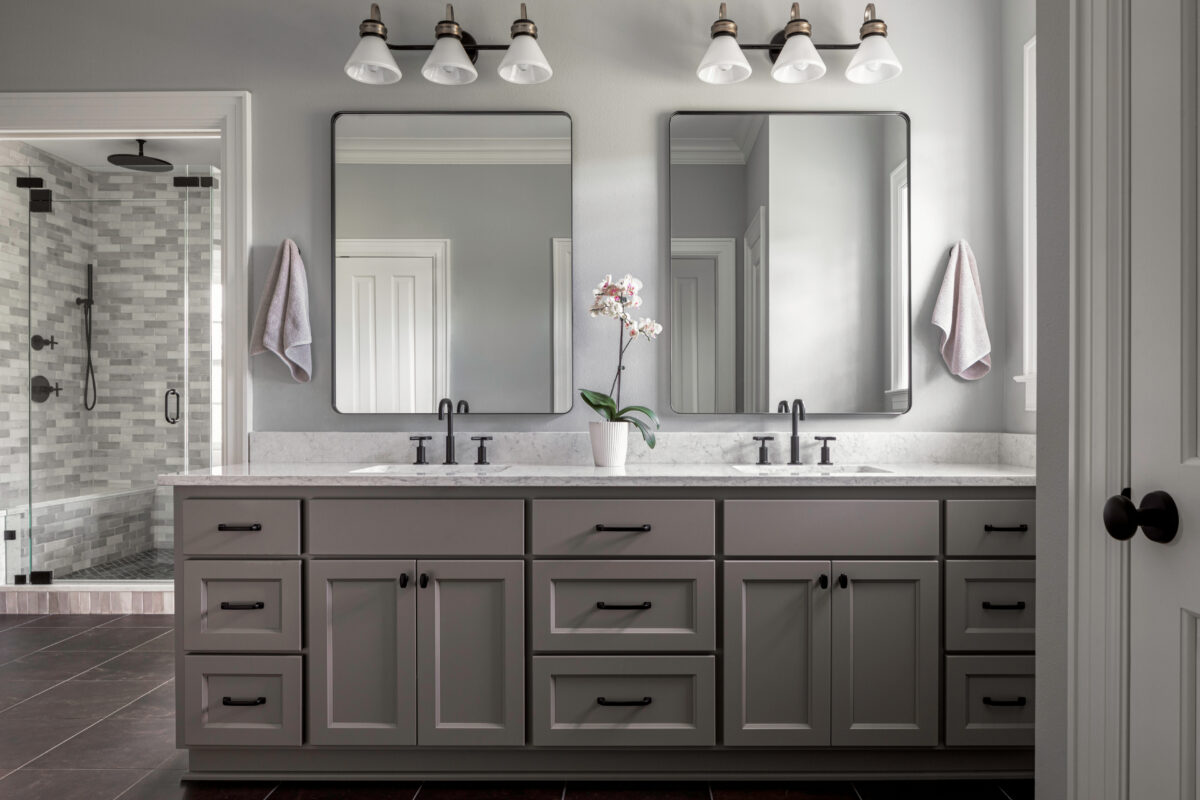
- Bathrooms designed for long-term comfort
- Spaces that can adapt as family needs change
Planning ahead doesn’t mean sacrificing style. It means creating a home that continues to feel right for years to come.
A home that grows with you isn’t about chasing trends or making constant updates.
It’s about thoughtful decisions, made early, that allow your home to evolve naturally with your life.
When that happens, the result is a space that feels comfortable, functional, beautiful, and lasting.
If you’ve been thinking about how your home could better support your next season of life, our team would be glad to help you start that conversation. Call us at (262) 512-1799 or contact us here to get in touch and start on your dream home today.